
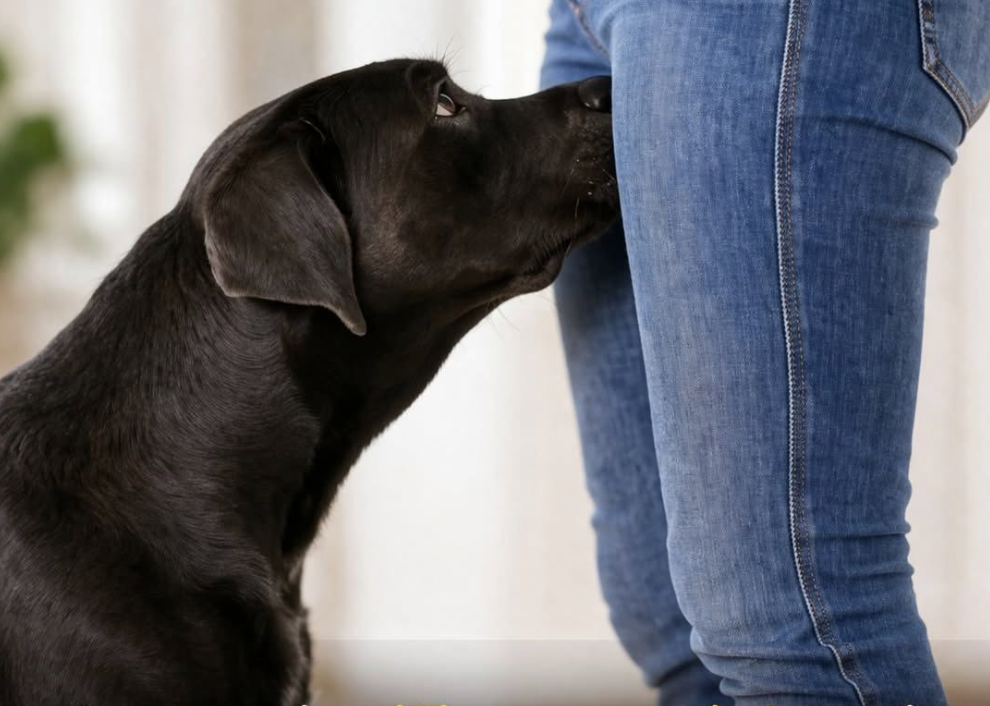
Can Dogs Smell Illness?
Dogs have demonstrated the ability to detect certain medical conditions under controlled circumstances.
Research has explored dogs' ability to identify scent changes associated with conditions such as:
- Low blood sugar in some people with diabetes
- Certain infections
- Some types of cancer
- Seizure-related scent changes in specific individuals
However, it's important to understand that a dog sniffing someone's genital area does not mean that person has a disease.
Many viral posts online incorrectly suggest that this behavior automatically indicates cancer, infection, or another serious illness. There is no scientific evidence supporting such a claim.
Dogs May Notice Changes Before Humans Do
Because dogs have such sensitive noses, they sometimes react to subtle scent changes that people cannot detect.
These changes may result from:
- New medications
- Changes in diet
- Exercise
- Hormonal fluctuations
- Different soaps or perfumes
- Stress
Curiosity about a new scent does not necessarily indicate a medical problem.
Why Dogs Sniff New Visitors
Dogs often spend extra time sniffing unfamiliar people.
This helps them build a scent "profile" for someone they've never met before.
Once they become familiar with a person's scent, many dogs lose interest and greet them in other ways.
Why Some Dogs Sniff More Than Others
Not every dog behaves the same way.
Several factors influence sniffing behavior, including:
- Breed
- Age
- Training
- Personality
- Socialization
- Excitement level
Breeds developed for scent work, such as Beagles, Bloodhounds, and Basset Hounds, often rely on their noses even more than other breeds.
Can Dogs Sense Emotions?
Dogs are remarkably observant.
In addition to reading facial expressions and body language, they may also detect subtle scent changes linked to emotional states.
Some studies suggest dogs can recognize chemical changes associated with stress or fear.
This may explain why certain dogs become more attentive when someone is anxious.
Should You Stop Your Dog From Sniffing People?
Although sniffing is natural, many owners prefer teaching polite greeting habits.
Training can help your dog greet visitors without making them uncomfortable.
Useful techniques include:
- Rewarding calm greetings
- Redirecting attention with treats
- Teaching "sit" before greeting guests
- Using positive reinforcement consistently
Avoid punishing your dog harshly, as sniffing is a normal instinct rather than bad behavior.
When Does Excessive Sniffing Become a Concern?
Occasional sniffing is completely normal.
However, if your dog suddenly becomes obsessed with sniffing one specific area, shows unusual behavior, or seems distressed, it's worth paying attention.
Likewise, if your dog experiences sudden behavioral changes accompanied by other symptoms such as lethargy, appetite loss, or aggression, consult your veterinarian.
Does a Dog Sniffing You Mean You Have Cancer?
No.
This is one of the most common myths shared on social media.
While specially trained medical detection dogs have shown promising results in research settings, an ordinary pet sniffing someone's private area is not a reliable indicator of cancer or any other disease.
Many completely healthy people experience this behavior from dogs every day.
The rest is on the next page
