
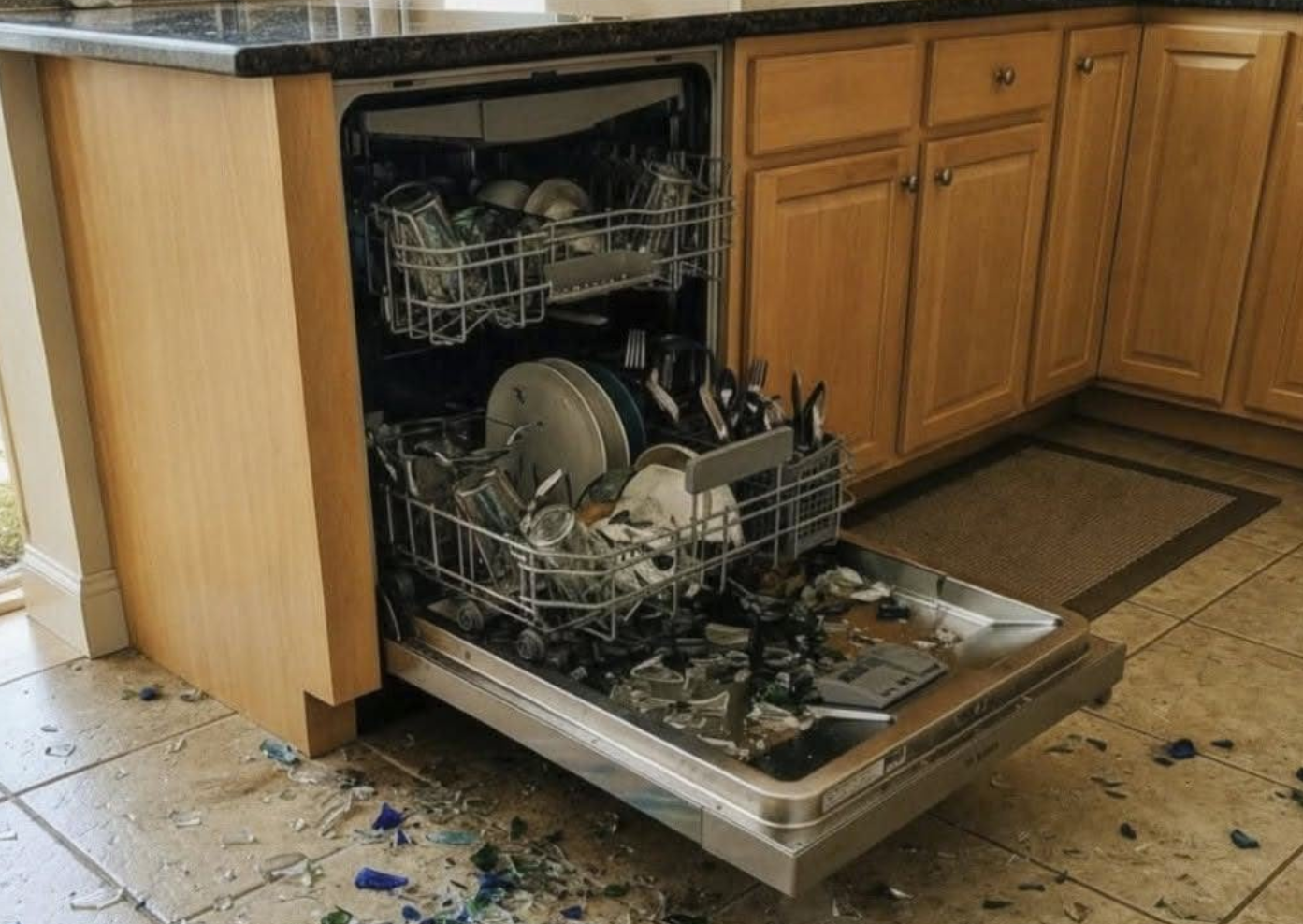
Modern dishwashers save time, water, and effort, making kitchen cleanup easier than ever. While these appliances are designed to handle plates, bowls, glasses, and many everyday utensils, not everything belongs inside them. In fact, putting certain items in the dishwasher can shorten their lifespan, damage expensive cookware, or even harm your dishwasher itself.
Many people assume that if something is used in the kitchen, it's automatically dishwasher-safe. Unfortunately, that's not always true. High temperatures, powerful water jets, and strong detergents can ruin delicate materials, dull sharp edges, strip protective coatings, and cause permanent damage.
If you want your favorite cookware, knives, wooden utensils, and specialty kitchen tools to last for years, it's worth knowing what should always be washed by hand.
In this guide, you'll discover 18 common household items you should never put in the dishwasher, why they can be damaged, and the safest way to clean them instead.
Why Some Kitchen Items Don't Belong in the Dishwasher
Dishwashers clean by combining hot water, detergent, and powerful spray arms. While this process is highly effective for durable dishes, it's not suitable for every material.
Several factors can cause damage:
- High heat
- Strong cleaning chemicals
- Extended exposure to moisture
- Powerful water pressure
- Contact with other dishes during the wash cycle
Understanding how these factors affect different materials helps protect your kitchen investment.
1. Cast Iron Cookware
Cast iron skillets are famous for their durability, but they require special care.
Dishwasher detergent removes the seasoning that gives cast iron its natural non-stick surface. Prolonged exposure to water also encourages rust.
Instead, wash cast iron by hand using warm water and a soft brush. Dry it immediately and apply a light coating of cooking oil before storing.
2. Sharp Kitchen Knives
Quality knives should always be washed by hand.
Inside the dishwasher, blades can become dull after hitting other utensils during the wash cycle. Wooden handles may crack, and some adhesives holding the handle together may weaken over time.
Wash knives carefully with warm water and mild soap, then dry them immediately.
3. Wooden Cutting Boards
Wood naturally absorbs water.
Repeated dishwasher cycles may cause cutting boards to warp, crack, split, or develop rough surfaces.
Hand washing followed by thorough drying helps extend their lifespan.
4. Wooden Spoons and Utensils
Wooden spoons, spatulas, and rolling pins are exposed to extreme heat and moisture inside the dishwasher.
Over time, they may:
- Crack
- Warp
- Dry out
- Lose their smooth finish
Hand washing keeps them in excellent condition for years.
5. Nonstick Pans
Many manufacturers label modern nonstick cookware as dishwasher safe.
However, frequent dishwasher use may gradually reduce the life of the nonstick coating.
To preserve the coating as long as possible, gentle hand washing is often the better option.
The rest is on the next page
