
Treatment Depends on the Cause
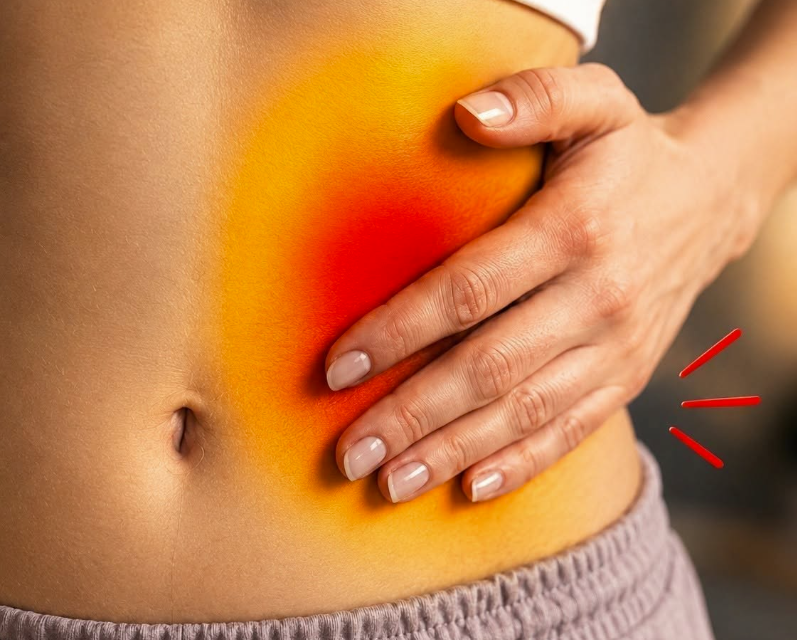
There is no single treatment for left-sided body pain because the cause varies from person to person.
Treatment may include:
- Rest
- Physical therapy
- Pain-relieving medication
- Antibiotics for bacterial infections
- Dietary changes
- Increased hydration
- Prescription medications
- Surgical treatment in certain cases
Never self-diagnose persistent or severe pain.
Can Lifestyle Habits Help Prevent Left-Sided Pain?
Many common causes of body pain can be reduced through healthy daily habits.
Experts recommend:
Stay Physically Active
Regular exercise strengthens muscles, improves posture, and supports cardiovascular health.
Aim for at least 150 minutes of moderate exercise each week.
Eat a Balanced Diet
A diet rich in fruits, vegetables, whole grains, lean protein, and healthy fats supports digestive and heart health.
Reducing highly processed foods may also lower inflammation.
Drink Plenty of Water
Good hydration supports kidney function and may help reduce the risk of kidney stones.
Maintain Good Posture
Poor posture places unnecessary strain on muscles, joints, and the spine.
Simple ergonomic adjustments at work and home can make a significant difference.
Avoid Smoking
Smoking damages blood vessels and significantly increases the risk of heart disease, lung disease, and many other serious health conditions.
Manage Stress
Chronic stress may contribute to muscle tension, digestive discomfort, and poor overall health.
Relaxation techniques, quality sleep, and regular physical activity can help manage stress effectively.
Common Myths About Left-Sided Pain
"Pain on the Left Side Always Means a Heart Attack"
Not necessarily.
Many cases are caused by muscles, digestion, or minor injuries. However, chest pain should always be taken seriously because heart disease remains a possibility.
"If the Pain Goes Away, It Wasn't Serious"
Temporary pain does not always rule out an underlying medical condition.
Recurring pain should still be evaluated by a healthcare professional.
"Young People Don't Need to Worry About Chest Pain"
Heart disease is more common with age, but younger adults can also develop serious cardiovascular conditions.
Persistent or severe chest pain should never be ignored.
The Importance of Listening to Your Body
Pain is your body's way of signaling that something may need attention.
Ignoring persistent symptoms can delay diagnosis and treatment.
Monitoring when the pain occurs, how long it lasts, and any associated symptoms can provide valuable information for your healthcare provider.
Seeking medical advice early often leads to better outcomes and greater peace of mind.
Conclusion
Pain on the left side of the body can result from many different conditions, ranging from simple muscle strain and digestive issues to more serious problems involving the heart, lungs, kidneys, or other organs. While many causes are not emergencies, certain symptoms—especially chest pain accompanied by shortness of breath, dizziness, or pain spreading to the arm or jaw—require immediate medical attention.
The best approach is to pay attention to your symptoms, avoid self-diagnosis, and consult a healthcare professional whenever pain is severe, persistent, or unexplained. Maintaining a healthy lifestyle, staying active, eating a balanced diet, and attending regular medical checkups can help reduce your risk of many conditions associated with left-sided pain.
Medical Disclaimer: This article is intended for informational and educational purposes only and should not be considered medical advice. Always consult a qualified healthcare professional for diagnosis, treatment, or concerns about persistent or severe pain. If you experience symptoms of a medical emergency, seek immediate medical care.
The rest is on the next page
