
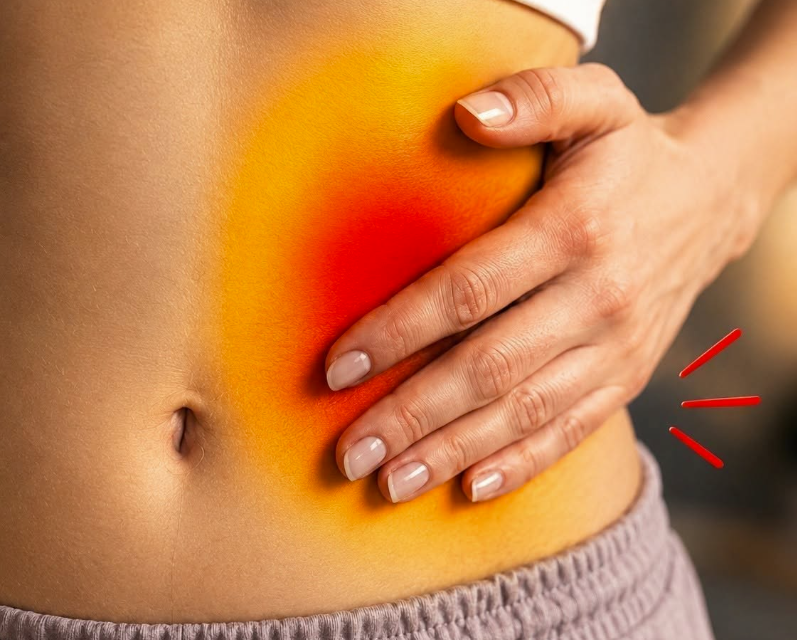
Pain on the left side of the body can be worrying, especially when it appears suddenly or without an obvious cause. While many cases are linked to minor issues such as muscle strain or digestive discomfort, left-sided pain can sometimes be a sign of a more serious medical condition that requires prompt attention.
The location, intensity, and duration of the pain can provide important clues about its underlying cause. Pain near the chest may point to heart or lung problems, while discomfort in the lower abdomen could be related to the digestive system, kidneys, or reproductive organs.
In this article, we'll explain the most common causes of left-sided body pain, when it's considered an emergency, how doctors diagnose it, and what you can do to reduce your risk of future health problems.
What Does Pain on the Left Side of the Body Mean?
Pain on the left side of the body is not a condition itself but rather a symptom that can have many different causes. The pain may be mild or severe, temporary or persistent, and can affect different parts of the body, including the chest, shoulder, abdomen, back, hip, or leg.
Understanding exactly where the pain occurs is often the first step in identifying its cause.
Common Causes of Left-Sided Pain
Many everyday health conditions can cause discomfort on the left side of the body.
Some of the most common include:
- Muscle strain
- Poor posture
- Digestive problems
- Gas or bloating
- Kidney stones
- Urinary tract infections
- Constipation
- Rib injuries
- Arthritis
- Nerve irritation
Although these conditions are usually not life-threatening, persistent or worsening pain should always be evaluated by a healthcare professional.
Muscle Strain and Overuse
One of the most frequent causes of pain on the left side is muscle strain.
Heavy lifting, sudden movements, sports injuries, or even sleeping in an awkward position can overstretch muscles and ligaments.
Symptoms often include:
- Tenderness
- Pain that worsens with movement
- Muscle stiffness
- Mild swelling
Most muscle strains improve with rest, gentle stretching, and avoiding activities that worsen the pain.
Digestive Problems
The digestive system occupies a large portion of the abdomen, making digestive issues a common source of left-sided pain.
Possible causes include:
- Gas buildup
- Indigestion
- Constipation
- Irritable bowel syndrome (IBS)
- Diverticular disease
Digestive pain may also be accompanied by:
- Bloating
- Nausea
- Changes in bowel habits
- Abdominal cramps
Eating slowly, staying hydrated, and consuming enough dietary fiber may help reduce many digestive symptoms.
Kidney Problems
Pain on the left side of the lower back or abdomen may originate from the left kidney.
Common kidney-related causes include:
- Kidney stones
- Kidney infections
Kidney pain often feels deeper than muscle pain and may spread toward the groin.
Additional symptoms can include:
- Fever
- Painful urination
- Blood in the urine
- Frequent urination
- Nausea or vomiting
Kidney infections require prompt medical treatment to prevent complications.
Heart-Related Causes
Pain on the left side of the chest should never be ignored.
Although not every episode indicates heart disease, chest pain may be a symptom of:
- Angina
- Heart attack
- Inflammation around the heart
Heart-related pain may also spread to:
- The left arm
- Shoulder
- Neck
- Jaw
- Upper back
Other warning signs include:
- Shortness of breath
- Sweating
- Dizziness
- Nausea
- Extreme fatigue
If these symptoms occur suddenly, seek emergency medical care immediately.
Lung Conditions
Certain lung problems can also cause pain on the left side of the chest.
Examples include:
- Pneumonia
- Pleurisy
- Pulmonary embolism
- Collapsed lung
Lung-related pain often becomes worse when taking deep breaths or coughing.
Difficulty breathing should always be assessed urgently.
The rest is on the next page
