
Natural Ingredients Often Used for Oral Care
Many natural ingredients are popular in home oral care routines.
While they are not miracle plaque removers, some may complement a good brushing routine.
Baking Soda
Some toothpastes contain baking soda because of its mild polishing properties.
It may help remove certain surface stains when used appropriately.
Avoid scrubbing your teeth aggressively with plain baking soda, as excessive abrasion may not be suitable for everyone.
Salt Water Rinse
A warm salt-water rinse has long been used to soothe minor gum irritation.
Mix half a teaspoon of salt into a glass of warm water and gently rinse your mouth for about 30 seconds before spitting it out.
This rinse should not replace brushing or flossing.
Green Tea
Green tea contains natural compounds called polyphenols.
Some research suggests these compounds may help support overall oral health when consumed as part of a balanced diet.
Choose unsweetened green tea whenever possible.
Don't Forget Your Tongue
Millions of bacteria can collect on the surface of your tongue.
Using a tongue scraper or gently brushing your tongue each day may help reduce bacteria responsible for unpleasant breath.
It only takes a few seconds but can make a noticeable difference.
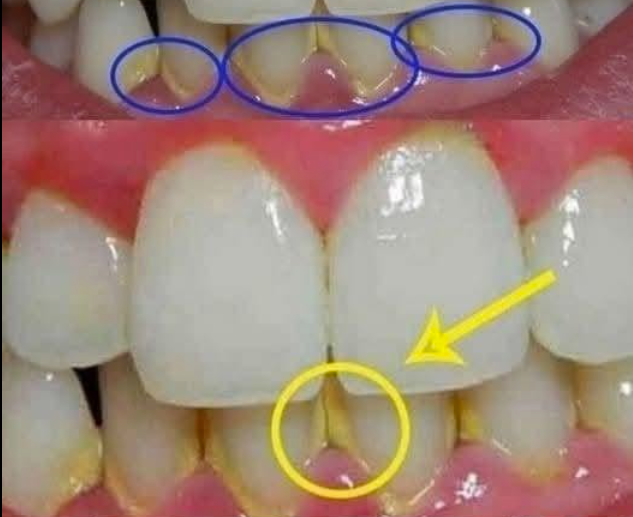
Signs You May Have Excess Plaque
Watch for these common signs:
- Teeth that feel fuzzy.
- Persistent bad breath.
- Yellowish buildup near the gums.
- Bleeding during brushing.
- Red or swollen gums.
If these symptoms continue despite good oral hygiene, scheduling a dental examination is recommended.
Healthy Daily Routine for Cleaner Teeth
A simple daily routine may include:
Morning:
- Brush for two minutes.
- Clean your tongue.
- Drink a glass of water.
After meals:
- Rinse your mouth with water.
- Chew sugar-free gum if brushing isn't possible.
Evening:
- Brush thoroughly.
- Floss carefully.
- Avoid sugary snacks before bed.
Following this routine consistently is far more effective than relying on quick fixes.
Common Mistakes to Avoid
Many people accidentally make oral care less effective.
Avoid these mistakes:
- Brushing too hard.
- Skipping floss.
- Using an old toothbrush.
- Going to bed without brushing.
- Drinking sugary beverages throughout the day.
- Ignoring bleeding gums.
Small improvements can make a big difference over time.
When Should You Visit a Dentist?
Even with excellent home care, regular dental checkups remain important.
A dentist can remove hardened tartar, examine your gums, identify cavities early, and recommend personalized advice for maintaining oral health.
Professional cleanings help remove deposits that cannot be eliminated with home brushing alone.
Most people benefit from routine dental examinations as recommended by their dental professional.
Frequently Asked Questions
Can plaque be removed naturally?
Daily brushing, flossing, and healthy eating habits can help remove soft plaque before it hardens into tartar.
Can baking soda remove plaque?
Baking soda is included in some toothpastes and may help clean teeth, but it should not replace regular brushing with fluoride toothpaste.
Does drinking water reduce plaque?
Water helps rinse away food particles and supports saliva production, both of which contribute to a healthier mouth.
Can tartar be removed at home?
Once plaque hardens into tartar, it generally requires professional removal by a dental professional.
How often should I brush my teeth?
Most dental professionals recommend brushing at least twice a day for two minutes each time.
Final Thoughts
Healthy teeth don't require miracle products or unrealistic promises. The best way to reduce dental plaque is through consistent daily habits that protect your teeth and gums over time.
Brushing twice a day, flossing daily, drinking plenty of water, limiting sugary foods, and maintaining regular dental checkups all work together to support a cleaner, healthier smile.
While no home remedy can instantly remove plaque in just a few minutes or replace professional dental care, these simple practices can significantly reduce plaque buildup and help prevent future problems. A healthy smile is built one day at a time, and small daily habits are the foundation of long-lasting oral health.
The rest is on the next page
