
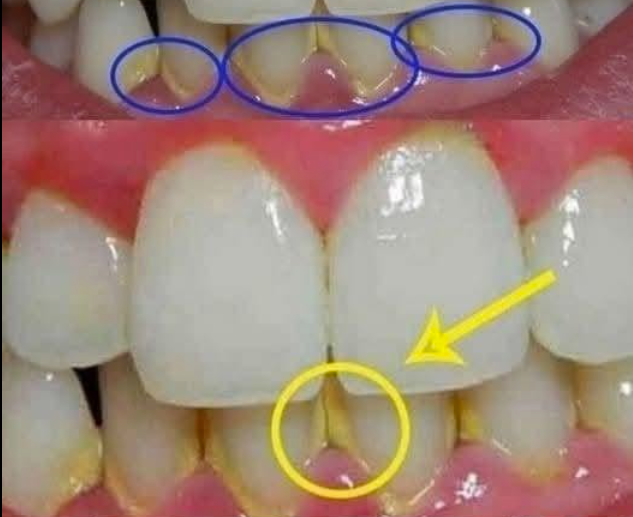
A bright smile starts with healthy teeth and gums. One of the biggest challenges to good oral health is dental plaque—a sticky film of bacteria that constantly forms on your teeth. If it isn't removed regularly, plaque can lead to cavities, bad breath, gum irritation, and eventually harden into tartar, which usually requires professional cleaning.
Many people search for quick home remedies that promise to remove plaque in just a few minutes. While there is no miracle solution that instantly eliminates plaque or replaces a dental visit, there are several natural habits that can help reduce plaque buildup and keep your mouth healthier between regular checkups.
In this guide, you'll learn what dental plaque is, why it forms, and the best natural ways to keep it under control using simple daily habits.
What Is Dental Plaque?
Dental plaque is a soft, colorless film made up of bacteria, food particles, and saliva. It begins forming on your teeth only a few hours after brushing.
The bacteria inside plaque feed on sugars and starches from the foods and drinks you consume. As they break down these sugars, they produce acids that can gradually weaken tooth enamel and irritate the gums.
Although plaque forms naturally, removing it every day is essential for maintaining healthy teeth and preventing long-term dental problems.
Plaque vs. Tartar: What's the Difference?
Many people confuse plaque with tartar, but they are not the same.
Plaque is soft and can usually be removed with proper brushing and flossing.
Tartar, also called dental calculus, develops when plaque remains on the teeth for too long and hardens due to minerals found in saliva.
Once tartar forms, it cannot be removed with a toothbrush alone and generally requires professional dental cleaning.
Preventing plaque buildup is the easiest way to avoid tartar.
Why Plaque Builds Up
Several factors can increase plaque formation.
These include:
- Infrequent brushing.
- Skipping flossing.
- Eating sugary foods frequently.
- Drinking sweet beverages.
- Dry mouth.
- Smoking or tobacco use.
- Poor oral hygiene habits.
Improving these daily habits can significantly reduce plaque over time.
Brush Your Teeth the Right Way
Brushing remains one of the most effective ways to remove plaque.
Brush your teeth at least twice a day using a soft-bristled toothbrush and fluoride toothpaste.
Hold the toothbrush at a slight angle toward the gumline and use gentle circular motions instead of aggressive scrubbing.
Spend at least two minutes brushing all surfaces of your teeth, including:
- Front surfaces.
- Back surfaces.
- Chewing surfaces.
- Along the gumline.
Don't forget your tongue, as bacteria can also accumulate there.
Floss Every Day
Even the best toothbrush cannot reach every space between your teeth.
Dental floss helps remove plaque and food particles from areas where toothbrush bristles cannot reach.
Daily flossing also supports healthier gums and may help reduce bad breath.
If traditional floss feels difficult to use, floss picks or water flossers can also be helpful.
The rest is on the next page
