
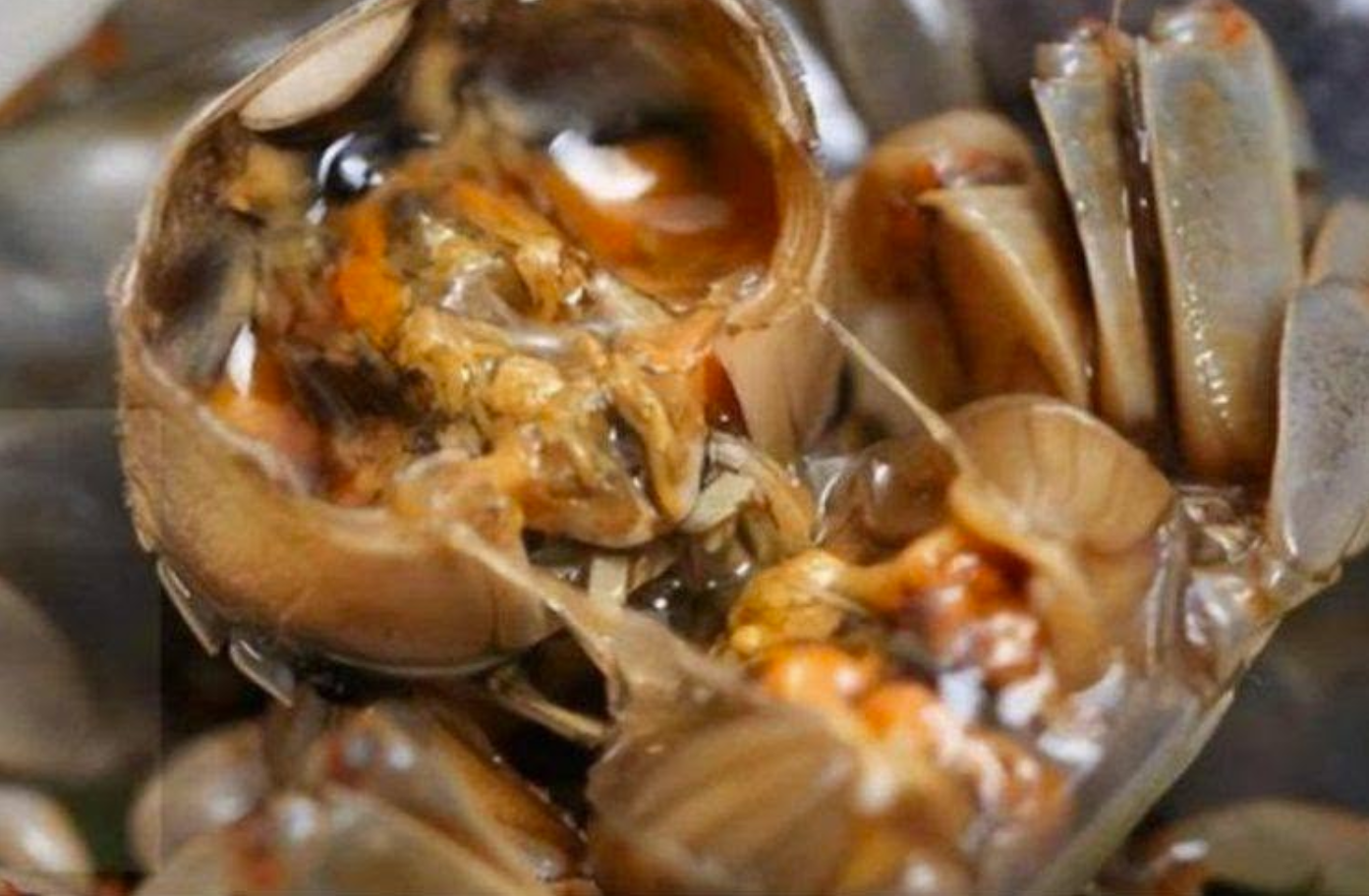
Who Is Most at Risk?
While most healthy adults recover well from many foodborne illnesses, certain groups should be especially cautious.
These include:
- Pregnant women
- Older adults
- Young children
- People with weakened immune systems
- Individuals receiving chemotherapy
- Organ transplant recipients
For these groups, fully cooked foods are generally the safest option.
How Do Parasites Enter Food?
Parasites may enter the food chain in several ways.
Some animals naturally carry parasites during their life cycle.
Others become contaminated through:
- Polluted water
- Poor sanitation
- Improper food handling
- Cross-contamination during preparation
Good agricultural practices and food safety inspections help reduce these risks before food reaches consumers.
Signs of Foodborne Illness
Not every stomach ache is caused by parasites.
Many foodborne illnesses are caused by bacteria or viruses instead.
Symptoms may include:
- Stomach pain
- Nausea
- Vomiting
- Diarrhea
- Fever
- Fatigue
Symptoms vary depending on the specific cause and can range from mild to severe.
If symptoms are severe, persistent, or accompanied by dehydration or high fever, medical evaluation is recommended.
Simple Food Safety Habits That Make a Big Difference
Food safety begins in your own kitchen.
A few simple habits can significantly lower the risk of foodborne illness.
Wash Your Hands
Always wash your hands before preparing food and after handling raw meat or seafood.
Use Separate Cutting Boards
Avoid cross-contamination by using separate boards for raw meat and ready-to-eat foods.
Cook Foods Thoroughly
Cooking foods to safe internal temperatures helps destroy many harmful organisms.
Store Food Properly
Refrigerate perishable foods promptly and avoid leaving cooked meals at room temperature for extended periods.
Buy From Trusted Sources
Choose reputable grocery stores, fish markets, and restaurants that follow proper food safety practices.
Common Myths About Parasites
The internet is full of dramatic claims that can be misleading.
Let's separate myth from fact.
Myth: Every piece of raw fish contains parasites.
Fact: Reputable suppliers use strict handling and freezing procedures to reduce the risk significantly.
Myth: Washing food removes all parasites.
Fact: Washing can remove dirt and some surface contamination, but it does not eliminate all parasites.
Myth: Every snail dish is dangerous.
Fact: Properly cleaned and thoroughly cooked snails can be safely enjoyed.
Myth: Healthy-looking food is always safe.
Fact: Many harmful microorganisms cannot be seen, smelled, or tasted.
The rest is on the next page
