
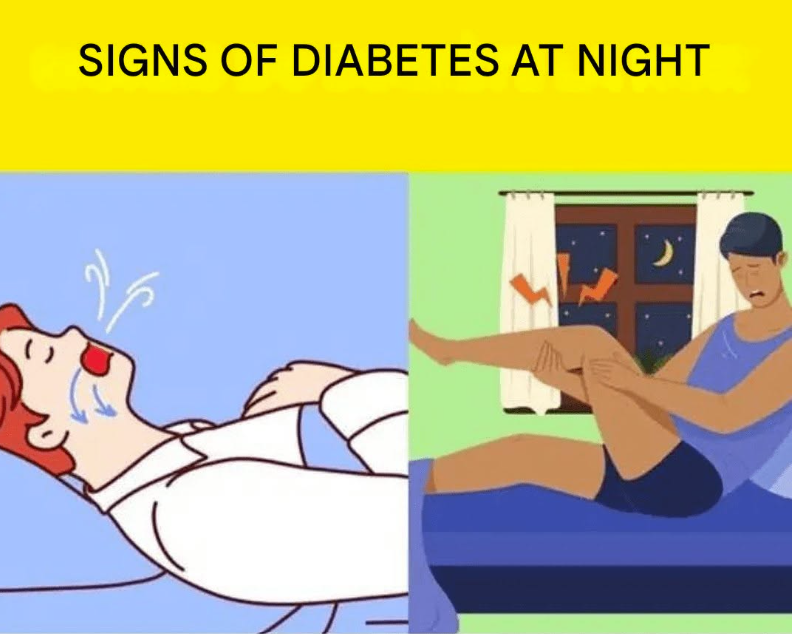
Diabetes is one of the most common chronic health conditions worldwide, affecting millions of people of all ages. While many people recognize daytime symptoms such as increased thirst or frequent urination, fewer realize that diabetes can also cause noticeable changes during the night.
Nighttime symptoms may develop gradually and are often mistaken for poor sleep, stress, or aging. However, if they occur regularly, they could be a sign that your blood sugar levels are not well controlled or that diabetes is developing.
It's important to remember that these symptoms alone do not confirm diabetes. Many other health conditions can cause similar problems. If you experience several of these signs consistently, it's a good idea to speak with a healthcare professional for proper evaluation and testing.
In this article, we'll explore nine nighttime signs that may be associated with diabetes, explain why they happen, and discuss when it's time to seek medical advice.
What Is Diabetes?
Diabetes is a condition in which the body has difficulty regulating blood sugar (glucose). This happens either because the body does not produce enough insulin or because it cannot use insulin effectively.
Over time, high blood sugar levels can affect many organs, including the eyes, kidneys, nerves, heart, and blood vessels.
Early detection and treatment can help reduce the risk of long-term complications.
1. Frequent Urination During the Night (Nocturia)
One of the earliest and most common symptoms of diabetes is waking up several times during the night to urinate.
When blood sugar levels become too high, the kidneys work harder to remove excess glucose through the urine. This process pulls more water from the body, increasing urine production.
If you regularly wake up two or more times every night to use the bathroom, especially if this is new for you, it's worth discussing with your healthcare provider.
Keep in mind that frequent nighttime urination can also be caused by other conditions, including urinary tract infections, enlarged prostate, pregnancy, certain medications, or drinking large amounts of fluids before bed.
2. Excessive Thirst at Night
Because the body loses more water through increased urination, dehydration can occur.
Many people with uncontrolled diabetes wake up with an unusually dry mouth or intense thirst.
You may find yourself drinking several glasses of water during the night or immediately after waking.
Persistent excessive thirst, especially when combined with frequent urination, is one of the classic warning signs of high blood sugar.
3. Night Sweats
Some people with diabetes experience episodes of heavy sweating while sleeping.
Night sweats may occur when blood sugar drops too low during the night, a condition known as nocturnal hypoglycemia, particularly in people taking insulin or certain diabetes medications.
Waking up with soaked pajamas or damp sheets on a regular basis should be discussed with your healthcare provider.
However, night sweats can also result from infections, hormonal changes, medications, or other medical conditions.
The rest is on the next page
