
Exercise Regularly
Aim for at least 150 minutes of moderate physical activity each week.
Walking, cycling, swimming, jogging, and dancing are all excellent choices.
Regular exercise helps strengthen the heart and improve blood circulation.
Maintain a Healthy Weight
Even losing a small amount of excess weight can significantly improve blood pressure.
Healthy weight management also lowers the risk of diabetes and heart disease.
Manage Stress
Long-term stress may contribute to higher blood pressure.
Helpful stress-management techniques include:
- Meditation
- Deep breathing
- Yoga
- Spending time outdoors
- Reading
- Listening to music
Get Enough Sleep
Adults should aim for 7 to 9 hours of quality sleep every night.
Poor sleep has been linked to hypertension and other cardiovascular diseases.
Quit Smoking
Smoking damages blood vessels and dramatically increases the risk of heart disease and stroke.
Quitting smoking provides immediate and long-term health benefits.
Limit Alcohol Consumption
Drinking excessive amounts of alcohol can raise blood pressure over time.
Moderation is key to protecting heart health.
When Should You See a Doctor?
You should speak with a healthcare provider if:
- Your blood pressure repeatedly measures above 140/90 mmHg.
- You consistently record high readings at home.
- You have diabetes or kidney disease.
- You have a family history of cardiovascular disease.
Seek emergency medical attention immediately if extremely high blood pressure is accompanied by:
- Severe chest pain
- Difficulty breathing
- Sudden weakness or numbness
- Difficulty speaking
- Vision changes
- Confusion
These symptoms may indicate a medical emergency such as a heart attack or stroke.
Common Myths About Blood Pressure
"High Blood Pressure Is Normal as You Get Older"
This is one of the biggest misconceptions.
Although arteries naturally become less flexible with age, high blood pressure should never be ignored simply because someone is older.
"I Feel Fine, So My Blood Pressure Must Be Normal"
High blood pressure usually develops without noticeable symptoms.
Many people don't discover they have hypertension until routine screening or after experiencing serious complications.
"Medication Alone Will Solve the Problem"
Medication can be very effective, but it works best when combined with healthy lifestyle habits such as eating well, exercising regularly, maintaining a healthy weight, and avoiding tobacco.
The Importance of Regular Blood Pressure Monitoring
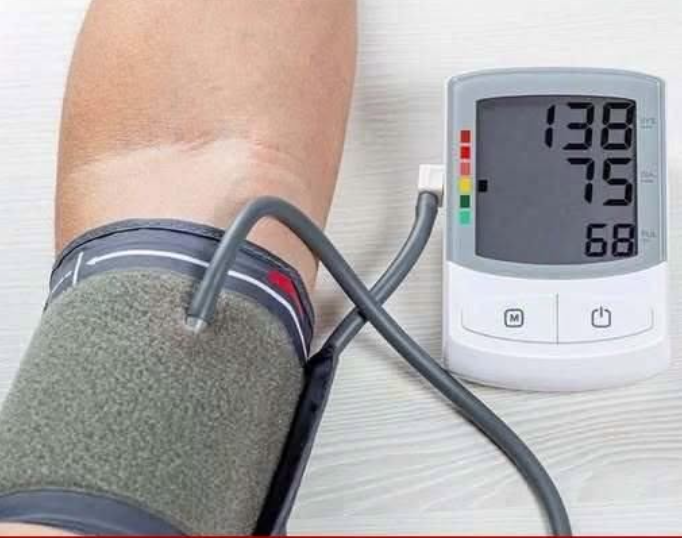
Checking your blood pressure regularly is one of the simplest ways to protect your long-term health.
Adults over 40, people with diabetes, obesity, kidney disease, or a family history of hypertension should monitor their blood pressure more frequently.
Even if your readings are currently normal, annual health checkups can help identify changes early and reduce the risk of future complications.
Conclusion
Modern medical guidelines no longer rely on age-based blood pressure charts because research shows that cardiovascular health depends on much more than age alone. Instead, healthcare professionals assess your overall risk by considering factors such as lifestyle, medical history, cholesterol levels, diabetes, and family history.
Maintaining healthy blood pressure is one of the best ways to protect your heart, brain, kidneys, and overall well-being. By eating a balanced diet, staying physically active, managing stress, getting enough sleep, and monitoring your blood pressure regularly, you can significantly lower your risk of heart disease, stroke, and other serious health conditions.
Medical Disclaimer: This article is for informational purposes only and should not be considered medical advice. Always consult a qualified healthcare professional for diagnosis, treatment, or concerns regarding your blood pressure or overall health.
The rest is on the next page
