
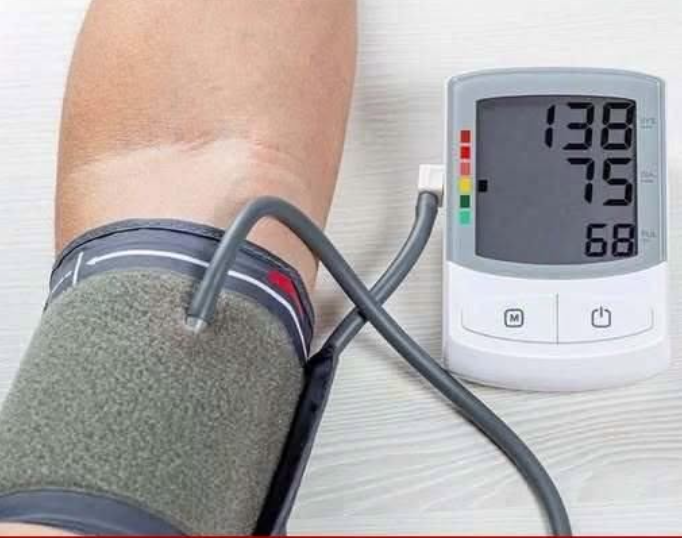
Blood pressure is one of the most important indicators of your overall health. For many years, people believed that higher blood pressure was a normal part of getting older. It was common to hear that a reading of 150/90 mmHg was acceptable for seniors or that blood pressure naturally increases with age and doesn't need much attention.
However, modern medical research has changed this way of thinking. Today's healthcare professionals no longer rely on age alone to determine what is considered a healthy blood pressure. Instead, they evaluate a person's overall cardiovascular risk, lifestyle, medical history, and other health conditions before deciding whether treatment is necessary.
In this article, you'll learn why age-based blood pressure charts are no longer recommended, what current guidelines say about healthy blood pressure, and how you can keep your heart healthy at every stage of life.
What Is Blood Pressure?
Blood pressure measures the force of blood pushing against the walls of your arteries as your heart pumps blood throughout your body.
A blood pressure reading always includes two numbers:
Systolic pressure is the top number. It measures the pressure in your arteries when your heart beats.
Diastolic pressure is the bottom number. It measures the pressure when your heart rests between beats.
For example, a reading of 120/80 mmHg means:
- 120 = Systolic pressure
- 80 = Diastolic pressure
Both numbers are equally important when evaluating cardiovascular health.
Why Age-Based Blood Pressure Charts Are No Longer Recommended
In the past, doctors often accepted higher blood pressure readings in older adults because blood vessels naturally become less flexible with age.
Today, large medical studies have shown that elevated blood pressure increases the risk of serious health problems regardless of age. Whether you're 40, 60, or 80 years old, uncontrolled hypertension can damage your heart, brain, kidneys, and blood vessels over time.
Rather than focusing only on age, healthcare providers now consider your overall risk of cardiovascular disease before making treatment decisions.
This modern approach helps prevent heart attacks, strokes, kidney disease, and many other long-term complications.
What Is Considered Normal Blood Pressure Today?
Current medical guidelines use similar blood pressure targets for most adults instead of separate ranges based on age.
Generally accepted categories include:
Optimal Blood Pressure
- Less than 120/80 mmHg
Normal Blood Pressure
- Around 120/80 mmHg
Elevated Blood Pressure
- Between 120–129 systolic with a diastolic reading below 80 in some guidelines.
High Blood Pressure (Hypertension)
- Many healthcare systems diagnose hypertension at 140/90 mmHg or higher.
- Some organizations recommend earlier treatment beginning at 130/80 mmHg, especially for people with diabetes, kidney disease, or a high risk of cardiovascular problems.
Blood pressure should never be diagnosed based on a single reading. Multiple measurements taken on different days provide a much more accurate picture.
Why Doctors Focus on Overall Cardiovascular Risk
Two people of the same age may have completely different health risks.
For example, a healthy 70-year-old who exercises regularly, maintains a healthy weight, and does not smoke may have a much lower risk of heart disease than a sedentary 50-year-old with diabetes, obesity, and high cholesterol.
Modern medical guidelines consider many factors, including:
- Age
- Family history
- Diabetes
- Cholesterol levels
- Smoking habits
- Kidney disease
- Body weight
- Physical activity
- Previous heart disease or stroke
Looking at the whole picture allows doctors to recommend the most appropriate treatment for each individual.
What Can Affect Your Blood Pressure?
Blood pressure naturally changes throughout the day and can be influenced by many factors.
Common causes of temporary changes include:
- Stress
- Anxiety
- Physical exercise
- Poor sleep
- Caffeine
- Alcohol
- Smoking
- Certain medications
- Pain
- Dehydration
Because of these daily fluctuations, one high reading does not necessarily mean you have hypertension.
The rest is on the next page
