
8. Blurred Vision Upon Waking
High blood sugar can temporarily change the shape of the eye's lens by altering fluid balance.
Some people notice blurred vision, especially first thing in the morning.
Although vision usually improves after blood sugar stabilizes, persistent blurred vision should always be evaluated by an eye care professional.
Regular eye examinations are especially important for people living with diabetes.
9. Increased Hunger During the Night
Some individuals with diabetes experience unusual hunger, even after eating a full dinner.
Because glucose cannot efficiently enter the body's cells, the brain may continue signaling hunger despite adequate food intake.
Late-night hunger, especially when combined with excessive thirst and frequent urination, may indicate blood sugar problems.
Why Do These Symptoms Often Appear at Night?
During sleep, hormonal changes naturally influence blood sugar regulation.
In people with diabetes, these normal overnight changes may become more noticeable.
Reduced physical activity during sleep also affects how the body processes glucose.
As a result, symptoms such as thirst, urination, sweating, and nerve discomfort often become more apparent during nighttime hours.
Who Is More Likely to Develop Diabetes?
Several factors increase the risk of developing type 2 diabetes, including:
- Family history of diabetes
- Being overweight or obese
- Physical inactivity
- High blood pressure
- Elevated cholesterol
- History of gestational diabetes
- Age over 45 years (although younger adults and children can also develop diabetes)
Having one or more risk factors does not necessarily mean you will develop diabetes, but regular health checkups are important.
How Is Diabetes Diagnosed?
Only medical testing can confirm diabetes.
Healthcare providers commonly use:
- Fasting blood glucose
- Hemoglobin A1C (HbA1c)
- Oral glucose tolerance test
- Random blood glucose testing when appropriate
If you notice several of the symptoms discussed in this article, scheduling a medical evaluation is the best next step.
Healthy Habits That Support Blood Sugar Control
Whether you have diabetes or simply want to reduce your risk, healthy lifestyle habits make a significant difference.
These include:
- Eating a balanced diet rich in vegetables, fruits, whole grains, lean protein, and healthy fats.
- Staying physically active most days of the week.
- Maintaining a healthy weight.
- Limiting sugary drinks and highly processed foods.
- Getting enough quality sleep.
- Managing stress.
- Attending regular medical checkups.
These habits support overall health and may help reduce the risk of developing type 2 diabetes.
When Should You See a Doctor?
Seek medical advice if you experience:
- Frequent nighttime urination.
- Persistent excessive thirst.
- Unexplained weight loss.
- Blurred vision.
- Numbness or tingling in your feet.
- Extreme fatigue.
- Slow-healing wounds.
- Several of these symptoms occurring together.
Early diagnosis allows treatment to begin before serious complications develop.
Frequently Asked Questions
Can nighttime symptoms alone diagnose diabetes?
No. Many conditions can cause similar symptoms. Only medical testing can confirm a diagnosis.
Is frequent urination always caused by diabetes?
No. It may also result from urinary tract infections, enlarged prostate, pregnancy, medications, or drinking too many fluids before bed.
Can diabetes affect sleep quality?
Yes. Blood sugar fluctuations, thirst, frequent urination, sweating, and nerve discomfort may all interfere with sleep.
Can diabetes be prevented?
Type 2 diabetes risk can often be reduced through healthy eating, regular exercise, maintaining a healthy weight, and routine medical care.
Final Thoughts
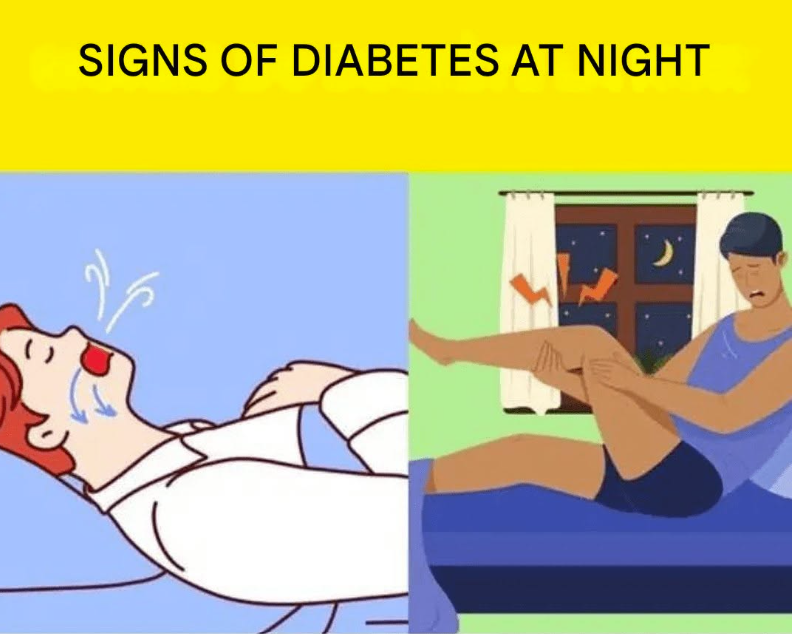
Nighttime symptoms such as frequent urination, excessive thirst, leg cramps, tingling in the feet, night sweats, blurred vision, restless sleep, morning fatigue, and unusual hunger can sometimes be associated with diabetes. However, these symptoms are not specific to diabetes and may have many other causes.
Rather than relying on symptoms alone, the safest approach is to consult a healthcare professional if these problems become persistent or occur together. A simple blood test can determine whether diabetes or another medical condition is responsible.
Recognizing possible warning signs early and seeking timely medical advice can lead to earlier diagnosis, better treatment, and improved long-term health outcomes.
The rest is on the next page
