
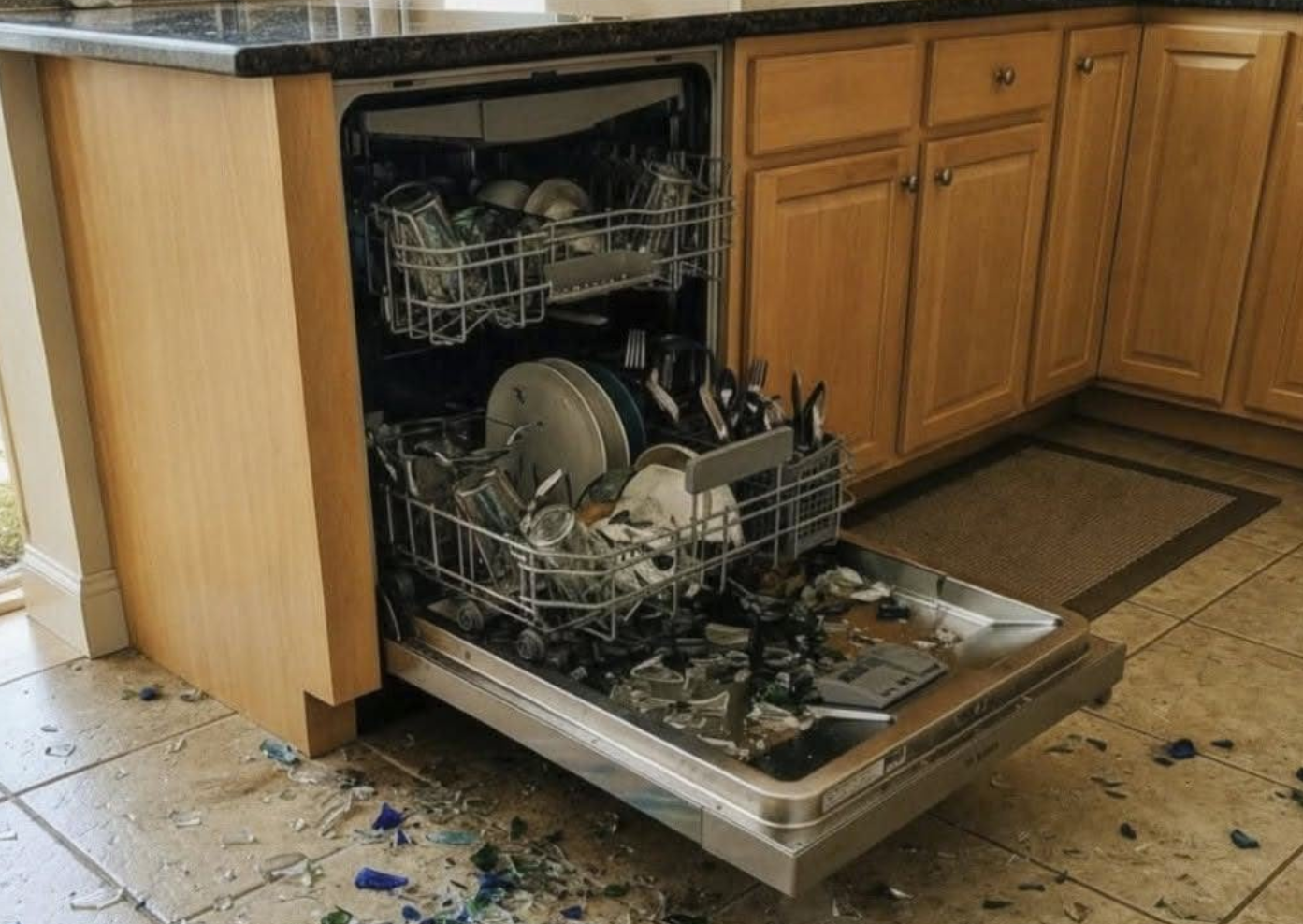
14. Plastic Containers Not Marked Dishwasher-Safe
Not all plastics tolerate high temperatures.
Some may:
- Warp
- Melt
- Become brittle
- Release unpleasant odors
Always check whether the manufacturer labels the container as dishwasher-safe.
15. Ceramic Items with Hand-Painted Designs
Decorative ceramics often feature delicate painted finishes.
Repeated dishwasher use may gradually fade artwork or decorative patterns.
Hand washing helps preserve both color and detail.
16. Kitchen Appliances with Electrical Components
Blender bases, electric mixers, coffee grinder motors, and similar appliances should never enter the dishwasher.
Only removable dishwasher-safe parts should be cleaned separately according to the manufacturer's instructions.
17. Reusable Water Bottles Without Dishwasher Approval
Some reusable bottles contain insulated layers or specialty coatings.
If they aren't specifically labeled dishwasher-safe, repeated exposure to heat may shorten their lifespan.
Hand washing is often the safest choice.
18. Antique or Sentimental Kitchen Items
Family heirlooms, vintage dishes, and handmade ceramics often have finishes that cannot withstand dishwasher cycles.
Even if they appear sturdy, preserving these special pieces is worth the extra few minutes of hand washing.
Items That Are Usually Safe for the Dishwasher
Many everyday kitchen items are designed specifically for dishwasher cleaning, including:
- Everyday ceramic plates
- Most glass drinking glasses
- Stainless steel flatware
- Dishwasher-safe food storage containers
- Heat-resistant mixing bowls
- Most modern coffee mugs
- Dishwasher-approved silicone utensils
Always check the manufacturer's care instructions when purchasing new kitchen products.
Simple Tips to Protect Your Kitchenware
Taking a few extra precautions can significantly extend the life of your cookware and utensils.
Some helpful habits include:
- Read care labels before first use.
- Separate sharp knives from other utensils.
- Avoid overcrowding the dishwasher.
- Place fragile glasses securely.
- Use the recommended amount of detergent.
- Choose lower-temperature cycles for delicate items when appropriate.
- Allow dishes to cool before putting them away.
Small changes in your routine can prevent unnecessary wear and tear.
Common Dishwasher Mistakes
Even experienced home cooks occasionally make mistakes.
Some of the most common include:
- Washing cast iron with regular dishes.
- Placing wooden utensils on the bottom rack.
- Mixing fragile glassware with heavy cookware.
- Washing expensive chef's knives in the utensil basket.
- Ignoring manufacturer cleaning instructions.
- Using harsh detergents on delicate materials.
Avoiding these habits can help your kitchen equipment last much longer.
The rest is on the next page
