
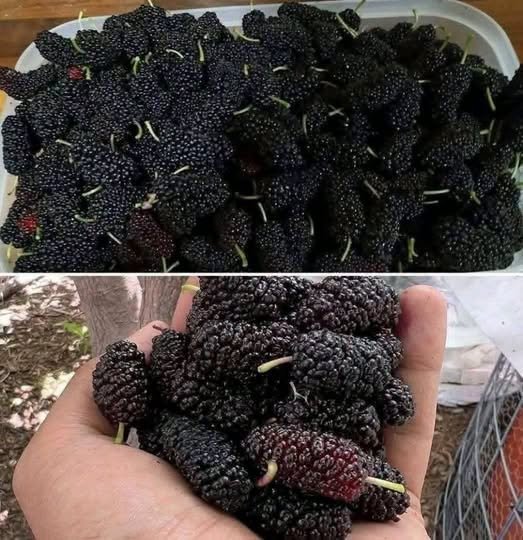
Do Mulberries Help Regulate Blood Pressure?
Another popular claim is that mulberries regulate blood pressure.
Research suggests that mulberries contain potassium, an important mineral that helps maintain normal muscle and nerve function while supporting healthy blood pressure in people who consume adequate amounts as part of a balanced diet.
Their antioxidant compounds may also support cardiovascular health by helping reduce oxidative stress.
However, mulberries should not be viewed as a treatment for high blood pressure or as a substitute for prescribed medications.
Maintaining healthy blood pressure depends on multiple lifestyle factors, including:
- Eating a balanced diet
- Limiting excessive sodium intake
- Staying physically active
- Maintaining a healthy body weight
- Following medical advice when necessary
Rich in Powerful Antioxidants
Dark mulberries are particularly rich in natural antioxidants.
Antioxidants help neutralize unstable molecules known as free radicals, which can damage cells over time.
Research suggests that diets high in antioxidant-rich fruits and vegetables may contribute to long-term health by supporting the body's natural defense systems.
The deep purple-black color of ripe mulberries comes from anthocyanins, the same family of compounds found in blueberries, blackberries, and black grapes.
These natural pigments are responsible for many of the fruit's health-promoting properties.
A Good Source of Dietary Fiber
Mulberries also provide dietary fiber, which plays an important role in digestive health.
Fiber may help:
- Support regular bowel movements
- Increase feelings of fullness
- Feed beneficial gut bacteria
- Support healthy cholesterol levels when consumed as part of a balanced diet
Adding fiber-rich fruits like mulberries to your meals can make it easier to meet your daily fiber needs.
Natural Vitamin C for Immune Support
Vitamin C is one of the best-known nutrients found in mulberries.
It contributes to:
- Normal immune system function
- Collagen production
- Healthy skin
- Wound healing
- Protection of cells from oxidative stress
Because the human body cannot produce vitamin C on its own, regular dietary intake is essential.
Fresh seasonal fruits remain one of the best natural sources.
May Support Heart Health
Mulberries contain several nutrients that are associated with cardiovascular wellness.
These include:
- Potassium
- Fiber
- Polyphenols
- Anthocyanins
Together, these compounds may support overall heart health when combined with a balanced diet rich in fruits, vegetables, whole grains, and healthy fats.
No single food can prevent heart disease, but consistently choosing nutrient-rich foods is an important part of maintaining long-term cardiovascular health.
How Should You Eat Mulberries?
The best way to enjoy mulberries is fresh, shortly after harvesting.
Simply rinse them gently under cool running water and remove any leaves or stems.
Because they are delicate, avoid soaking them for long periods, as this can affect their texture.
Fresh mulberries can be enjoyed:
- On their own as a snack
- Mixed into yogurt
- Added to oatmeal
- Blended into smoothies
- Sprinkled over breakfast cereal
- Included in fruit salads
Their naturally sweet flavor makes them a healthy alternative to processed desserts.
Can You Freeze Mulberries?
Yes.
Mulberries freeze exceptionally well.
To freeze them:
- Wash and dry them carefully.
- Spread them on a baking tray.
- Freeze until firm.
- Transfer them to freezer-safe bags.
Freezing them individually prevents the berries from sticking together.
Frozen mulberries are perfect for smoothies, baking, and homemade sauces throughout the year.
The rest is on the next page
